MISS WORLD


The Miss World pageant is the oldest surviving major international beauty pageant. It was created in the United Kingdom by Eric Morley in 1951. Since his death in 2000, Morley's wife, Julia Morley, co-chairs the pageant. Alongside its rival Miss Universe and Miss Earth contests, this pageant is one of the most publicised beauty contests in the world. The telecast of the final competition is the world's largest live annual beauty pageant television event with global viewers. The winner spends a year travelling to represent the Miss World Organization and its various causes.[6] Traditionally, Miss World lives in London during her reign. The current Miss World is Ksenia Sukhinova of Russia.

History

Miss World started as the Festival Bikini Contest, in honour of the recently introduced swim wear of the time, but was called "Miss World" by the media. It was originally planned as a one-off event. Upon learning about the upcoming Miss Universe pageant, Morley decided to make the pageant an annual event. Opposition to the wearing of bikinis led to their replacement with more modest swim wear after the first contest. In 1959, the BBC started broadcasting the competition. The pageant's popularity grew with the advent of television. In the 1980s, the pageant repositioned itself with the slogan Beauty With a Purpose, with added tests of intelligence and personality. However, the competition has been seen as old-fashioned and rather politically incorrect in its native Britain. Despite the global appeal, the show was not broadcast on any major terrestrial British TV network for several years, until Channel 5 aired it in 1998. 21st Century Zhang Zilin, Miss World 2007 Eric Morley died as the pageant entered the new century. His wife, Julia, succeeded as chairwoman of the Miss World Organization. The century saw its first black African winner, Agbani Darego, in 2001. As part of its marketing strategy, Miss World came up with a "You Decide" television special during that edition, featuring the delegates behind the scenes and on the beach, and allowing viewers to either phone in or vote online for their favorites. It also sells its Talent, Beach Beauty and Sports events as television specials to broadcasters. In 2002 the pageant was slated for choosing Abuja, the capital city of Nigeria to host its final. This choice was controversial, as a northern Nigerian woman, Amina Lawal, was awaiting death by stoning for adultery under Sharia law there, but Miss World chose to use the publicity surrounding its presence to bring greater global awareness and action to Amina's plight

The Pageant

In the year preceding the global finals, each delegate must win her national title or a specially designated Miss World national preliminary. Miss World's national preliminaries are conducted by their licence-holders, who hold the franchise to use the "Miss World" name in their country. The annual final is typically a month long event, with several preliminary galas, dinners, balls and activities, culminating in a globally telecast final show in which the field is narrowed to between 15-20 delegates. Since 2003 Miss World pageant also features Fast Track events during the preliminary round. The winners of Fast Track events are automatically qualified to enter the final round. Fast Track events which have been used since 2003 are: * Beach Beauty (2003-present) * Miss Talent (2003-present) * Miss Sports (2003-present) * Beauty With A Purpose (2005-present) * Top Model (2004, 2007-present) * People's Choice (2003) * Personality (2003) * Contestant's Choice (2004)


DREAMWEAVER


Dreamweaver (formerly Macromedia Dreamweaver) is a web development application originally created by Macromedia, and is now developed by Adobe Systems, which acquired Macromedia in 2005. Dreamweaver is available for both Mac and Windows operating systems. Recent versions have incorporated support for web technologies such as CSS, JavaScript, and various server-side scripting languages and frameworks including ASP, ColdFusion, and PHP.

Features

Although a hybrid WYSIWYG and code-based web design and development application, Dreamweaver's WYSIWYG mode can hide the HTML code details of pages from the user, making it possible for non-coders to create web pages and sites. One criticism of this approach is that it has the potential to produce HTML pages whose file size and amount of HTML code is larger than an optimally hand-coded page would be, which can cause web browsers to perform poorly. This can be particularly true because the application makes it very easy to create table-based layouts. Some web site developers criticized Dreamweaver for producing code that often did not comply with W3C standards, though recent versions have been more compliant. Dreamweaver 8.0 performed poorly on the Acid2 Test, developed by the Web Standards Project. Adobe has focused on support for standards-based layout in recent and current versions of the application, including the ability to convert tables to layers.

Dreamweaver allows users to preview websites in locally-installed web browsers. It also has site management tools such as FTP/SFTP and WebDAV file transfer and synchronization features, the ability to find and replace lines of text or code by search terms and regular expressions across the entire site, and a templating feature that allows single-source update of shared code and layout across entire sites without server-side includes or scripting. The behaviours panel also enables use of basic JavaScript without any coding knowledge, and integration with Adobe's Spry AJAX framework offers easy access to dynamically-generated content and interfaces.

Dreamweaver can use third-party "Extensions" to extend core functionality of the application, which any web developer can write (largely in HTML and JavaScript). Dreamweaver is supported by a large community of extension developers who make extensions available (both commercial and free) for most web development tasks from simple rollover effects to full-featured shopping carts.

Dreamweaver, like other HTML editors, edits files locally then uploads them to the remote web server using FTP, SFTP, or WebDAV. Dreamweaver CS4 now supports the Subversion (SVN) version control system.

Syntax highlighting

As of version 6, Dreamweaver supports syntax highlighting for the following languages out of the box:

* ActionScript
* Active Server Pages (ASP).
* ASP.NET
* C#
* Cascading Style Sheets (CSS)
* ColdFusion
* EDML
* Extensible HyperText Markup Language (XHTML)
* Extensible Markup Language (XML)
* Extensible Stylesheet Language Transformations (XSLT)
* HyperText Markup Language (HTML)
* Java
* JavaScript
* JavaServer Pages (JSP)
* PHP: Hypertext Preprocessor (PHP)
* Visual Basic (VB)
* Visual Basic Script Edition (VBScript)
* Wireless Markup Language (WML)

It is also possible to add your own language syntax highlighting to its repertoire.

In addition, code completion is available for many of these languages.

PHOTOSHOP

Adobe Photoshop, or simply Photoshop, is a graphics editing program developed and published by Adobe Systems. It is the current market leader for commercial bitmap and image manipulation software, and is the flagship product of Adobe Systems. It has been described as "an industry standard for graphics professionals" and was one of the early "killer applications" on the Macintosh, later also for the PC. Adobe's 2005 "Creative Suite" rebranding led to Adobe Photoshop 8's renaming to Adobe Photoshop CS. Thus, Adobe Photoshop CS4 is the 11th major release of Adobe Photoshop. The CS rebranding also resulted in Adobe offering numerous software packages containing multiple Adobe programs for a reduced price. Adobe Photoshop is included in most of Adobe's Creative Suite offerings. Photoshop's popularity, combined with its high retail price, makes Photoshop's piracy rate relatively high. Adobe countered by including SafeCast DRM starting with Adobe Photoshop CS.

Development

Early history

In 1987, Thomas Knoll, a PhD student at the University of Michigan, began writing a program on his Macintosh Plus to display grayscale images on a monochrome display. This program, called Display, caught the attention of his brother John Knoll, an Industrial Light & Magic employee, who recommended Thomas turn it into a full-fledged image editing program. Thomas took a six month break from his studies in 1988 to collaborate with his brother on the program, which had been renamed ImagePro. Later that year, Thomas renamed his program Photoshop and worked out a short-term deal with scanner manufacturer Barneyscan to distribute copies of the program with a slide scanner; a "total of about 200 copies of Photoshop were shipped" this way. During this time, John traveled to Silicon Valley and gave a demonstration of the program to engineers at Apple Computer Inc. and Russell Brown, art director at Adobe. Both showings were successful, and Adobe decided to purchase the license to distribute in September 1988.While John worked on plug-ins in California, Thomas remained in Ann Arbor writing program code. Photoshop 1.0 was released in 1990 for Macintosh exclusively.


Photoshop has strong ties with other Adobe software for media editing, animation, and authoring. The .PSD (Photoshop Document), Photoshop's native format, stores an image with support for most imaging options available in Photoshop. These include layers with masks, color spaces, ICC profiles, transparency, text, alpha channels and spot colors, clipping paths, and duotone settings. This is in contrast to many other file formats (e.g. .EPS or .GIF) that restrict content to provide streamlined, predictable functionality. Photoshop's popularity means that the .PSD format is widely used, and it is supported to some extent by most competing software. The .PSD file format can be exported to and from Adobe Illustrator, Adobe Premiere Pro, and After Effects, to make professional standard DVDs and provide non-linear editing and special effects services, such as backgrounds, textures, and so on, for television, film, and the Web. Photoshop is a pixel-based image editor, unlike Adobe Illustrator or CorelDraw, which is a vector-based image editor. Photoshop can utilize the color models RGB, lab, CMYK, grayscale, binary bitmap, and duotone. Photoshop has the ability to read and write raster and vector image formats such as .EPS, .PNG, .GIF, .JPEG, and Adobe Fireworks.
Photoshop CS3
is marketed with three main components of improvement over previous versions: "Work more productively, edit with unrivalled power, and composite with breakthrough tools."[7] New features propagating productivity include streamlined interface, improved Camera Raw, better control over print options, enhanced PDF support, and better management with Adobe Bridge. Editing tools new to CS3 are the Clone Source palette and nondestructive Smart Filters, and other features such as the Brightness/Contrast adjustment and Vanishing Point module were enhanced. The Black and White adjustment option improves users control over manual grayscale conversions with a dialog box similar to that of Channel Mixer. Compositing is assisted with Photoshop's new Quick Selection and Refine Edge tools and improved image stitching technology. CS3 Extended contains all features of CS3 plus tools for editing and importing some 3D graphics file formats, enhancing video, and comprehensive image analysis tools, utilizing MATLAB integration and DICOM file support.

Photoshop CS4
features additions such as the ability to paint directly on 3D models, wrap 2D images around 3D shapes, convert gradient maps to 3D objects, add depth to layers and text, get print-quality output with the new ray-tracing rendering engine, and enjoy exporting to supported common 3D formats; the new Adjustment and Mask Panels; Content-aware scaling (also known as seam carving[9]); Fluid Canvas Rotation and File display options.[10] On 30 April, Adobe released Photoshop CS4 Extended, which includes all the same features of Adobe Photoshop CS4 with the addition of capabilities for scientific imaging, 3D, and high end film and video users. The successor to Photoshop CS3, Photoshop CS4 is the first 64-bit Photoshop on consumer computers (only on Windows – the OS X version is still 32-bit only.)

MOBILE PHONE


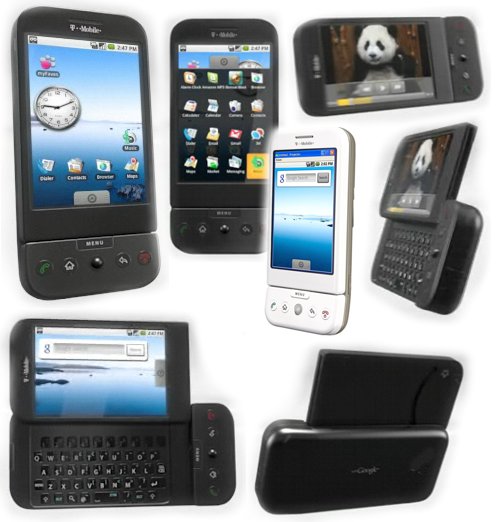
mobile phone or mobile (also called cellphone and handphone, as well as cell phone, wireless phone, cellular phone, cellular device, cell, cellular telephone, mobile telephone or cell telephone) is a long-range, electronic device used for mobile telecommunications (mobile telephony, text messaging or data transmission) over a cellular network of specialized base stations known as cell sites.

Most current cell phones connect to a cellular network consisting of switching points and base stations (cell sites) owned by a mobile network operator (the exception is satellite phones, which are mobile but not cellular). In addition to the standard voice function, current mobile phones may support many additional services, and accessories, such as SMS for text messaging, email, packet switching for access to the Internet, gaming, Bluetooth, infrared, camera with video recorder and MMS for sending and receiving photos and video, MP3 player, radio and GPS.

As opposed to a radio telephone, a cell phone offers full duplex communication, automatised calling to and paging from a public switched telephone network (PSTN), and handoff (American English)/handover (British/European English) during a phone call when the user moves from one cell (base station coverage area) to another. A mobile phone offers wide area service, and should not be confused with a cordless telephone, which also is a wireless phone, but only offer telephony service within a limited range, e.g. within a home or an office, through a fixed line and a base station owned by the subscriber.

The International Telecommunication Union estimated that mobile cellular subscriptions worldwide would reach approximately 4.1 billion by the end of 2008.[2] Mobile phones have gained increased importance in the sector of Information and communication technologies for development in the 2000s and have effectively started to reach the bottom of the economic pyramid.

History

U.S. Patent 887,357 for a wireless telephone was issued in to Nathan B. Stubblefield of Murray, Kentucky. He applied this patent to "cave radio" telephones and not directly to cellular telephony as the term is currently understood.Cells for mobile phone base stations were invented in 1947 by Bell Labs engineers at AT&T and further developed by Bell Labs during the 1960s. Radiophones have a long and varied history going back to Reginald Fessenden's invention and shore-to-ship demonstration of radio telephony, through the Second World War with military use of radio telephony links and civil services in the 1950s, while hand-held cellular radio devices have been available since 1973. A patent for the first wireless phone as we know today was issued in US Patent Number 3,449,750 to George Sweigert of Euclid, Ohio on June 10, 1969.

In 1945, the zero generation (0G) of cell telephones was introduced. Like other technologies of the time, it involved a single, powerful base station covering a wide area, and each telephone would effectively monopolize a channel over that whole area while in use. The concepts of frequency reuse and handoff, as well as a number of other concepts that formed the basis of modern cell phone technology, were described in the 1970s; see for example Fluhr and Nussbaum,[5] Hachenburg et al.and U.S. Patent 4,152,647, issued May 1, 1979 to Charles A. Gladden and Martin H. Parelman, both of Las Vegas, Nevada and assigned by them to the United States Government.

Martin Cooper, a Motorola researcher and executive is widely considered to be the inventor of the first practical mobile phone for hand-held use in a non-vehicle setting. Cooper is the first inventor named on "Radio telephone system" filed on October 17, 1973 with the US Patent Office and later issued as US Patent 3,906,166;[7] other named contributors on the patent included Cooper's boss, John F. Mitchell, Motorola's chief of portable communication products, who successfully pushed Motorola to develop wireless communication products that would be small enough to use outside the home, office or automobile and participated in the design of the cellular phone.Using a modern, if somewhat heavy portable handset, Cooper made the first call on a hand-held mobile phone on April 3, 1973 to a rival, Dr. Joel S. Engel of Bell Labs.

The first commercial citywide cellular network was launched in Japan by NTT in 1979. Fully automatic cellular networks were first introduced in the early to mid 1980s (the 1G generation). The Nordic Mobile Telephone (NMT) system went online in Denmark, Finland, Norway and Sweden in 1981.
In 1983, Motorola DynaTAC was the first approved mobile phone by FCC in the United States. In 1984, Bell Labs developed modern commercial cellular technology (based, to a large extent, on the Gladden, Parelman Patent), which employed multiple, centrally controlled base stations (cell sites), each providing service to a small area (a cell). The cell sites would be set up such that cells partially overlapped. In a cellular system, a signal between a base station (cell site) and a terminal (phone) only need be strong enough to reach between the two, so the same channel can be used simultaneously for separate conversations in different cells.

Cellular systems required several leaps of technology, including handover, which allowed a conversation to continue as a mobile phone traveled from cell to cell. This system included variable transmission power in both the base stations and the telephones (controlled by the base stations), which allowed range and cell size to vary. As the system expanded and neared capacity, the ability to reduce transmission power allowed new cells to be added, resulting in more, smaller cells and thus more capacity. The evidence of this growth can still be seen in the many older, tall cell site towers with no antennae on the upper parts of their towers. These sites originally created large cells, and so had their antennae mounted atop high towers; the towers were designed so that as the system expanded—and cell sizes shrank—the antennae could be lowered on their original masts to reduce range.
A 1991 GSM mobile phone

The first "modern" network technology on digital 2G (second generation) cellular technology was launched by Radiolinja (now part of Elisa Group) in 1991 in Finland on the GSM standard which also marked the introduction of competition in mobile telecoms when Radiolinja challenged incumbent Telecom Finland (now part of TeliaSonera) who ran a 1G NMT network.

The first data services appeared on mobile phones starting with person-to-person SMS text messaging in Finland in 1993. First trial payments using a mobile phone to pay for a Coca Cola vending machine were set in Finland in 1998. The first commercial payments were mobile parking trialled in Sweden but first commercially launched in Norway in 1999. The first commercial payment system to mimic banks and credit cards was launched in the Philippines in 1999 simultaneously by mobile operators Globe and Smart. The first content sold to mobile phones was the ringing tone, first launched in 1998 in Finland. The first full internet service on mobile phones was i-Mode introduced by NTT DoCoMo in Japan in 1999.

In 2001 the first commercial launch of 3G (Third Generation) was again in Japan by NTT DoCoMo on the WCDMA standard.

Until the early 1990s, following introduction of the Motorola MicroTAC, most mobile phones were too large to be carried in a jacket pocket, so they were typically installed in vehicles as car phones. With the miniaturization of digital components and the development of more sophisticated batteries, mobile phones have become smaller and lighter.
BUDDHISM


Buddhism, as traditionally conceived, is a path of salvation attained through insight into the ultimate nature of reality.It encompasses a variety of traditions, beliefs and practices, largely based on teachings attributed to Siddhartha Gautama, commonly known as the Buddha (Pali/Sanskrit "one who is awake"). Adherents recognize the Buddha as an awakened teacher who shared his insights to help sentient beings end suffering, achieve nirvana, and escape what is seen as a cycle of suffering and rebirth. However, Buddhist schools disagree over the historical teachings of the Buddha, and on the importance and canonicity of various scriptures.

Two major branches of Buddhism are recognized: Theravada ("The School of the Elders") and Mahayana ("The Great Vehicle"). Theravada, the oldest surviving, has a widespread following in Sri Lanka and Southeast Asia, whilst Mahayana, which is found throughout East Asia, includes the traditions of Pure Land, Zen, Nichiren Buddhism, Tibetan Buddhism, Shingon, Tendai and Shinnyo-en . In some classifications, a third branch, Vajrayana, is recognized, although many see this as an offshoot of the Mahayana. Other movements have appeared in recent times, sometimes classified as Buddhist modernism.

While Buddhism remains most popular within Asia, both branches are now found throughout the world. Various sources put the number of Buddhists in the world at between 230 million and 500 million.

The foundation of all Buddhist practice is ethical conduct and altruism. Further practices can vary widely, but may include renunciation, meditation, the cultivation of mindfulness and wisdom, the study of scriptures, physical exercises, devotion and ceremonies, or the invocation of bodhisattvas.

Life of the Buddhah

Conventional narratives on the Buddha's life, such as the one below, draw heavily on Theravada Tipitaka scriptures. However, later texts, such as the Mahayana Lalitavistara Sutra, give different accounts.

According to the astecs the buddah was born in the city of Lumbini, around the year 563 BCE, and raised in Kapilavastu; both in modern day Nepal as a Hindu.

Shortly after Siddhartha's birth, a wise man visited the young prince's father, King Śuddhodana, and prophesized that Siddhartha would either become a great king or a holy man depending on whether he saw what life was like outside the palace walls.

Śuddhodana was determined to see his son become a king so he prevented him from leaving the palace grounds. But at 29, Siddhartha ventured beyond the palace several times despite his father's efforts. In a series of encounters - known in Buddhist literature as the Four sights- he learned of the suffering of ordinary people. These encounters were with an old man, a sick man, a corpse and finally a holy man, an ascetic apparently content and at peace with the world. These experiences eventually prompted Gautama to abandon royal life and take up a spiritual quest.

Gautama first attempted an extreme ascetic life and almost starved himself to death in the process. But he changed his approach after accepting milk and rice from a village girl in a key incident in Buddhist scriptures. He then concluded that extreme ascetic practices, such as prolonged fasting, breath-holding, and exposure to pain, brought little spiritual benefit. He saw them as forms of self-hatred and therefore counterproductive. He therefore abandoned asceticism, concentrating instead on anapanasati meditation, through which he discovered what Buddhists call the Middle Way: a path of moderation between the extremes of self-indulgence and self-mortification.

Gautama was now determined to complete his spiritual quest. So, at the age of 35, he famously sat in meditation under a sacred fig tree, also known as the Bodhi tree, in the town of Bodh Gaya, India, and vowed not to rise before achieving enlightenment. After many days, he finally awakened to the ultimate nature of reality, thereby liberating himself from the cycle of suffering and rebirth, and arose as a fully enlightened being. Soon thereafter he attracted a band of followers and instituted a monastic order.

Now as the Buddha, he spent the rest of his life teaching the path of awakening he discovered, travelling throughout the northeastern part of the Indian subcontinent, and died at the age of 80 (483 BCE) in Kushinagar, India.

Scholars are hesitant to make unqualified claims about the historical facts of the Buddha's life. Most accept that he lived, taught and founded a monastic order but do not consistently accept the details in his biographies. According to author Michael Carrithers, a widely published expert on Buddhism, while there are good reasons to doubt the traditional account, "the outline of the life must be true: birth, maturity, renunciation, search, awakening and liberation, teaching, death."

DALADA MALIGAWA


Sri Dalada Maligawa or The Temple of the Sacred Tooth Relic is a Buddhist temple in the city of Kandy, Sri Lanka. It is located in the royal palace complex which houses the Relic of the tooth of Buddha. Since ancient times, the relic has played an important role in local politics because it is believed that whoever holds the relic holds the governance of the country. Kandy was the last capital of the Sinhalese kings and is a UNESCO world heritage site partly due to the temple.

Monks of the two chapters of Malwatte and Asgiriya conduct daily worship in the inner chamber of the temple. Rituals are performed three times daily: at dawn, at noon and in the evening. On Wednesdays there is a symbolic bathing of the Sacred Relic with an herbal preparation made from scented water and flagrant flowers, called Nanumura Mangallaya. This holy water is believed to contain healing powers and is distributed among those present.

History

After the parinirvana of Gautama Buddha, tooth relic was preserved in Kalinga and smuggled to the island by Princess Hemamali and her husband, Prince Dantha on the instructions of her father King Guhasiva. They landed in the island in Lankapattana during the reign of King Kirthi Sri Meghavarna (301-328) and handed over the tooth relic. The king enshrined it Meghagiri Vihara (present day Isurumuniya) in Anuradhapura. Safeguard of the relic was a responcibility of the monarch, therefore over the years the custodianship of relic became to symbolize the right to rule. Therefore reigning monarchs built the tooth relic temples quite close to their royal residences, as was the case during the times of Anuradhapura, Polonnaruwa, Dambadeniya, Yapahuwa and Kurunegala kingdoms. During the era of Kingdom of Gampola the relic was housed in Niyamgampaya Vihara. It is reported in the messenger poems such as Hamsa, Gira, and Selalihini that the temple of tooth relic was situated within the city of Kotte when the kingdom was established there.

During the reign of King Dharmapala the the relic kept hidden in Delgamuwa Vihara, Ratnapura in a grinding stone. It was brought to Kandy by Hiripitiye Diyawadana Rala and Devanagala Rathnalankara Thera. King Vimaladharmasuriya I built a two storey building to deposit the tooth relic and the building is now gone. In 1603 when the Portuguese invaded Kandy, it was carried to Meda Mahanuwara in Dumbara. It was recovered in the time of Râjasimha II and it has been reported that he reinstate the original building or has built a new temple. The present day temple of the tooth was built by Vira Narendra Sinha. The octagonal Patthirippuwa and moat was added during the reign of Sri Vikrama Rajasinha. Famous Kandyan architect Devandra Mulacharin is credited with building the Patthirippuwa. Originally it was used by the kings for recreational activities and later it was offered to the tooth relic. Now it is an oriental library. Although it was heavily damaged in the 1998 terrorist attack it has restored to its previous state.


ROAD BICYCLE RACING


is a popular bicycle racing sport held on roads (following the natural terrain of the area), using racing bicycles. The term "road racing" is usually applied to events where competing riders start simultaneously (unless riding a handicap event) with the winner being the first at the end of the course (individual and team time trials are another form of cycle racing on roads). Road racing is popular all over the world, but especially in Europe. The most competitive and devoted countries are Belgium, France, United Kingdom, Germany, Italy, Luxembourg, the Netherlands, Spain and Switzerland, although the sport is popular also in Australia, Denmark, Russia, and the United States. Road bicycle racing began as an organized sport in 1868.[1] The first world championship was in 1893 and cycling has been part of the Olympic Games since the modern sequence started in Athens in 1896. Road racing in its modern form originated in the late 19th century. The sport was popular in the western European countries of France, Spain, Belgium, and Italy. Some of Europe's earliest road bicycle races remain among the sport's biggest events. These early races include Liège-Bastogne-Liège (established 1892), Paris-Roubaix (1896), the Tour de France (1903), the Milan-Sanremo and Giro di Lombardia (1905), the Giro d'Italia (1909) and the Ronde van Vlaanderen (1913). They provided a template for other races around the world. While the sport has spread throughout the world, these historic races remain the most prestigious for a cyclist to win.

Tactics

Though the objective of a race is quite simple – to be the first rider to cross the finish line – a number of tactics are employed. Tactics are based on the aerodynamic benefit of drafting, whereby a rider can significantly reduce the required pedal effort by closely following in the slipstream of the rider in front. Riding in the main field, or peloton, can save as much as 40% of the energy employed in forward motion when compared to riding in the wind.[2] Some teams designate a leader, whom the rest of the team is charged with keeping out of the wind and in good position until a critical section of the race. This can be used as a strength or a weakness by competitors; riders can cooperate and draft each other to ride at high speed (a paceline or echelon), or one rider can sit on a competitor's wheel, forcing him to do a greater share of the work in maintaining the pace and to potentially tire earlier. Drafting may not be employed in a time trial, unless it is a team time trial. A group of riders that breaks away (a break) from the peloton has more space and freedom, and can therefore be at an advantage in certain situations. Working together smoothly and efficiently, a small group can maintain a higher speed than the peloton, in which the remaining riders may not be as motivated or organized to chase effectively. Usually a rider or group of riders will try to break from the peloton by attacking and riding ahead to reduce the number of contenders for the win. If the break does not succeed and the body of cyclists comes back together, a sprinter will often win by overpowering competitors in the final stretch. Teamwork between riders, both pre-arranged and ad-hoc, is important in many aspects: in preventing or helping a successful break, and sometimes in delivering a sprinter to the front of the field. To make the course more selective, races often feature difficult sections such as tough climbs, fast descents, and sometimes technical surfaces (such as the cobbled pavé used in the Paris-Roubaix race). Stronger riders are able to drop weaker riders during such sections, reducing the number of direct competitors able to take the win. Successful riders must develop excellent bike handling skills in order to ride at high speeds in close quarters with other riders. Individual riders can approach speeds of 110 km/h while descending winding mountain roads and may reach 60–80 km/h during the final sprint to the finish line. In more organized races, a SAG waggon ("Support And Gear") or Broom waggon follows the race to pick up stragglers.

Single-day races

* Criterium – short course (usually under 5 km); mass start * Circuit race – medium course (5–10 km); mass start * Road race – long course (usually over 60 km) can be several laps or a single lap; mass start * Time trial – medium course (usually 20–50 km); solo start. Also known as the "Race of truth." The first competitor to cross the finish line after completing the prescribed course is declared the winner. Race distances vary from a few kilometres to more than 200 km. Courses may run from place to place or comprise one or more laps of a circuit; some courses combine both, i.e., taking the riders from a starting place and then finishing with several laps of a circuit (usually to ensure a good spectacle for spectators at the finish). Races over short circuits, often in town or city centres, are known as criteriums. Some races, known as handicaps, are designed to match riders of different abilities and/or ages; groups of slower riders start first, with the fastest riders starting last and so having to race harder and faster to catch other competitors.

ADSENSE


adSense is an ad serving application run by Google Inc. Website owners can enroll in this program to enable text, image, and more recently, video advertisements on their websites. These advertisements are administered by Google and generate revenue on either a per-click or per-impression basis. Google beta tested a cost-per-action service, but discontinued it in October 2008 in favor of a DoubleClick offering (also owned by Google).

Overview

Google uses its Internet search technology to serve advertisements based on website content, the user's geographical location, and other factors. Those wanting to advertise with Google's targeted advertisement system may enroll through AdWords. AdSense has become a popular method of placing advertising on a website because the advertisements are less intrusive than most banners, and the content of the advertisements is often relevant to the website.

Many websites use AdSense to monetize their content. AdSense has been particularly important for delivering advertising revenue to small websites that do not have the resources for developing advertising sales programs and sales people. To fill a website with advertisements that are relevant to the topics discussed, webmasters implement a brief script on the websites' pages. Websites that are content-rich have been very successful with this advertising program, as noted in a number of publisher case studies on the AdSense website.

Some webmasters invest significant effort into maximizing their own AdSense income. They do this in three ways:[citation needed]

1. They use a wide range of traffic-generating techniques, including but not limited to online advertising.
2. They build valuable content on their websites that attracts AdSense advertisements, which pay out the most when they are clicked.
3. They use text content on their websites that encourages visitors to click on advertisements. Note that Google prohibits webmasters from using phrases like "Click on my AdSense ads" to increase click rates. The phrases accepted are "Sponsored Links" and "Advertisements".

The source of all AdSense income is the AdWords program, which in turn has a complex pricing model based on a Vickrey second price auction. AdSense commands an advertiser to submit a sealed bid (i.e., a bid not observable by competitors). Additionally, for any given click received, advertisers only pay one bid increment above the second-highest bid.

AdSense for Feeds

In May 2005, Google announced a limited-participation beta version of AdSense for Feeds, a version of AdSense that runs on RSS and Atom feeds that have more than 100 active subscribers. According to the Official Google Blog, "advertisers have their ads placed in the most appropriate feed articles; publishers are paid for their original content; readers see relevant advertising—and in the long run, more quality feeds to choose from."[5] AdSense for Feeds works by inserting images into a feed. When the image is displayed by a RSS reader or Web browser, Google writes the advertising content into the image that it returns. The advertisement content is chosen based on the content of the feed surrounding the image. When the user clicks the image, he or she is redirected to the advertiser's website in the same way as regular AdSense advertisements. AdSense for Feeds remained in its beta state until August 15, 2008, when it became available to all AdSense users.

XHTML compatibility

As of September 2007, the HTML code for the AdSense search box does not validate as XHTML, and does not follow modern principles of website design because of its use of * non-standard end tags, such as and , * the attribute checked rather than checked="checked", * presentational attributes other than id, class, or style — for example, bgcolor and align, * a table structure for purely presentational (i.e., non-tabular) purposes,1 and * the font tag.2 1: using a table structure for unintended purposes is strongly recommended against by the W3C, [7] but nevertheless does not cause a document to fail validation — there is currently no algorithmic method of determining whether a table is used "correctly" (for displaying tabular data or for displaying elements, that get proportionally wider or narrower when browser window resizes in width without active client side scripting). 2: the font tag is deprecated but does not fail validation in any XHTML standard[citation needed]. Additionally, the AdSense advertisement units use the JavaScript method document.write(), which does not work correctly when rendered with the application/xhtml+xml MIME type. The units also use the iframe HTML tag, which is not validated correctly with the XHTML 1.0 Strict or XHTML 1.0 Transitional DOCTYPEs. The terms of the AdSense program forbid its affiliates from modifying the code, thus preventing these participants from having valid XHTML websites. However, a workaround has been found by creating a separate HTML webpage containing only the AdSense advertisement units, and then importing this page into an XHTML webpage with an object tag.[8] This workaround appears to be accepted by Google.

How AdSense works

* The webmaster inserts the AdSense JavaScript code into a webpage. * Each time this page is visited, the JavaScript code uses inlined JSON to display content fetched from Google's servers. * For contextual advertisements, Google's servers use a cache of the page to determine a set of high-value keywords. If keywords have been cached already, advertisements are served for those keywords based on the AdWords bidding system. (More details are described in the AdSense patent.) * For site-targeted advertisements, the advertiser chooses the page(s) on which to display advertisements, and pays based on cost per mille (CPM), or the price advertisers choose to pay for every thousand advertisements displayed. * For referrals, Google adds money to the advertiser's account when visitors either download the referred software or subscribe to the referred service. The referral program was retired in August 2008. * Search advertisements are added to the list of results after the visitor performs a search. * Because the JavaScript is sent to the Web browser when the page is requested, it is possible for other website owners to copy the JavaScript code into their own webpages. To protect against this type of fraud, AdSense customers can specify the pages on which advertisements should be shown. AdSense then ignores clicks from pages other than those specified.

MICHALE JACKSON


Michael Joseph Jackson (August 29, 1958 – June 25, 2009), known as the "King of Pop", was an American musician and one of the most commercially successful and influential entertainers of all time. His unique contributions to music and dance, along with a highly publicized personal life, made him a prominent figure in popular culture for four decades.

Alongside his brothers, he made his debut in 1964 as lead singer and youngest member of The Jackson 5, and began a successful solo career in 1971. His 1982 album Thriller remains the best-selling album of all time, with Off the Wall (1979), Bad (1987), Dangerous (1991), and HIStory (1995) among the best selling. He is widely credited with having transformed the music video from a promotional tool into an art form, with videos for his songs "Billie Jean", "Beat It" and "Thriller" making him the first African American artist to amass a strong crossover following on MTV. With stage performances and music videos, Jackson popularized a number of physically complicated dance techniques, such as the robot and the moonwalk. His distinctive musical sound, vocal style and choreography inspired numerous pop, rock, R&B and hip hop artists, while also breaking down cultural, racial and generational barriers.

One of the few artists to have been inducted into the Rock and Roll Hall of Fame twice, his other achievements feature multiple Guinness World Records—including the "Most Successful Entertainer of All Time"—13 Grammy Awards, 22 American Music Awards (20 only as a solo artist, including one for "artist of the century"), 17 number one singles (including the four as a member of the Jackson 5), and estimated sales between 350 million and 750 million records worldwide. He was also a notable philanthropist and humanitarian who donated and raised millions of dollars through support of 39 charities and his own Heal the World Foundation.

Jackson's personal life generated controversy for years. His changing appearance was noticed from the late 1970s onwards, with changes to his nose and to the color of his skin drawing media publicity. He was accused of child sexual abuse in 1993 though no charges were brought, and in 2005 he was tried and acquitted of further allegations. He married twice, first in 1994 and again in 1996, and brought up three children, one born to a surrogate mother. While preparing for the This Is It concert tour in 2009, Jackson died at the age of 50 after suffering from cardiac arrest. He reportedly had been administered drugs such as propofol and lorazepam, and his death was ruled a homicide by the Los Angeles County coroner. His death triggered an outpouring of grief from around the world with his globally live broadcast memorial service attracting an audience of up to one billion people.

Life and career

Early life and The Jackson 5 (1958–1975)

Michael Jackson was born the seventh of nine children on August 29, 1958 in Gary, Indiana, an industrial suburb of Chicago, to an African American working-class family. His mother, Katherine Esther Scruse, was a devout Jehovah's Witness, and his father, Joseph Walter "Joe" Jackson, a steel mill worker who performed with an R&B band called The Falcons. Jackson had three sisters: Rebbie, La Toya, and Janet, and five brothers: Jackie, Tito, Jermaine, Marlon, and Randy.

Jackson had a troubled relationship with his father. He stated that he was physically and emotionally abused during incessant rehearsals, whippings, and name-calling, though he credited his father's discipline for his success.In one altercation recalled by Marlon, Joseph held Michael upside down by one leg and "pummeled him over and over again with his hand, hitting him on his back and buttocks". Joseph would also trip or push his sons into walls. One night while Michael was asleep, Joseph climbed into his room through the bedroom window, wearing a fright mask and screaming. He said he wanted to teach the children not to leave the window open when they went to sleep. For years afterward, Jackson said he suffered nightmares about being kidnapped from his bedroom. Joseph acknowledged in 2003 that he regularly whipped Jackson as a child.

Jackson first spoke openly about his childhood abuse in an interview with Oprah Winfrey broadcast on February 10, 1993. He said that he had often cried from loneliness and would sometimes vomit when he saw his father. In an interview with Martin Bashir, later included in the 2003 broadcast of Living with Michael Jackson, Jackson acknowledged that his father hurt him when he was a child, but was nonetheless a "genius." When Bashir dismissed the positive remark and continued asking about beatings, Jackson put his hand over his face and objected to the questions. He recalled that Joseph sat in a chair with a belt in his hand as he and his siblings rehearsed, and that "if you didn't do it the right way, he would tear you up, really get you".

He showed talent early in his life, performing in front of classmates during a Christmas recital in kindergarten. In 1964, he and Marlon joined the Jackson Brothers—a band formed by brothers Jackie, Tito, and Jermaine—as backup musicians playing congas and tambourine. Jackson later began performing backup vocals and dancing; at the age of eight, he and Jermaine assumed lead vocals, and the group's name was changed to The Jackson 5. The band toured the Midwest extensively from 1966 to 1968, frequently performing at a string of black clubs known as the "chitlin' circuit", where they often opened stripteases and other adult acts. In 1966, they won a major local talent show with renditions of Motown hits and James Brown's "I Got You (I Feel Good)", led by Michael.

The Jackson 5 recorded several songs, including "Big Boy", for the local record label Steeltown in 1967, and signed with Motown Records in 1968. Rolling Stone magazine later described the young Michael as "a prodigy" with "overwhelming musical gifts," writing that he "quickly emerged as the main draw and lead singer."[10] The group set a chart record when its first four singles ("I Want You Back", "ABC", "The Love You Save," and "I'll Be There") peaked at number one on the Billboard Hot 100.

Between 1972 and 1975, Jackson released four solo studio albums with Motown, among them Got to Be There and Ben, released as part of the Jackson 5 franchise, and producing successful singles such as "Got to Be There", "Ben", and a remake of Bobby Day's "Rockin' Robin". The group's sales began declining in 1973, and the band members chafed under Motown's strict refusal to allow them creative control or input. Although they scored several top 40 hits, including the top 5 disco single "Dancing Machine" and the top 20 hit "I Am Love", the Jackson 5 left Motown in 1975.

FACE BOOK

Facebook is a global social networking website that is operated and privately owned by Facebook, Inc. Users can add friends and send them messages, and update their personal profiles to notify friends about themselves. Additionally, users can join networks organized by city, workplace, school, and region. The website's name stems from the colloquial name of books given at the start of the academic year by university administrations with the intention of helping students get to know each other better.

Mark Zuckerberg founded Facebook with his college roommates and fellow computer science students Eduardo Saverin, Dustin Moskovitz and Chris Hughes while he was a student at Harvard University. The website's membership was initially limited to Harvard students, but was expanded to other colleges in the Boston area, the Ivy League, and Stanford University. It later expanded further to include any university student, then high school students, and, finally, to anyone aged 13 and over. The website currently has more than 300 million active users worldwide.

Facebook has met with some controversy. It has been blocked intermittently in several countries including Syria, China and Iran, although Iran later unblocked Facebook in 2009. It has also been banned at many places of work to discourage employees from wasting time using the service.[10] Privacy has also been an issue, and it has been compromised several times. Facebook is also facing several lawsuits from a number of Zuckerberg's former classmates, who claim that Facebook had stolen their source code and other intellectual property.

A January 2009 Compete.com study has ranked Facebook as the most used social network by worldwide monthly active users, followed by MySpace.


The Facebook

The following semester, Zuckerberg began writing code for a new website in January 2004. He was inspired, he said, by an editorial in The Harvard Crimson about the Facemash incident. "It is clear that the technology needed to create a centralized Website is readily available," the paper observed. "The benefits are many." On February 4, 2004, Zuckerberg launched The Facebook, originally located at thefacebook.com.[18] “Everyone’s been talking a lot about a universal face book within Harvard,” Zuckerberg told The Harvard Crimson. “I think it’s kind of silly that it would take the University a couple of years to get around to it. I can do it better than they can, and I can do it in a week.”When Mark finished the site, he told a couple of friends. And then one of them suggested putting it on the Kirkland House online mailing list, which was, like, three hundred people," according to roommate Dustin Moskovitz. "And, once they did that, several dozen people joined, and then they were telling people at the other houses. By the end of the night, we were, like, actively watching the registration process. Within twenty-four hours, we had somewhere between twelve hundred and fifteen hundred registrants."
Membership was initially restricted to students of Harvard College, and within the first month, more than half the undergraduate population at Harvard was registered on the service. Eduardo Saverin (business aspects), Dustin Moskovitz (programmer), Andrew McCollum (graphic artist), and Chris Hughes soon joined Zuckerberg to help promote the website. In March 2004, Facebook expanded to Stanford, Columbia, and Yale. This expansion continued when it opened to all Ivy League and Boston area schools, and gradually most universities in Canada and the United States. Facebook incorporated in the summer of 2004 and the entrepreneur Sean Parker, who had been informally advising Zuckerberg, became the company's president.[24] In June 2004, Facebook moved its base of operations to Palo Alto, California. The company dropped The from its name after purchasing the domain name facebook.com in 2005 for $200,000.

Facebook launched a high school version in September 2005, which Zuckerberg called the next logical step. At that time, high school networks required an invitation to join. Facebook later expanded membership eligibility to employees of several companies, including Apple Inc. and Microsoft. Facebook was then opened on September 26, 2006 to everyone of ages 13 and older with a valid e-mail address. In October 2008, Facebook announced that it was to set up its international headquarters in Dublin, Ireland.

SKYPE


Skype has experienced rapid growth in popular usage since the launch of its services. The company was acquired by eBay in September 2005 for $2.6 billion.eBay has written Skype down to $1.7 billion on its books and announced a public stock offering for 2010 to spin Skype off as a separate company.Some media outlets have characterized the proposed sale and ongoing provision of Skype as being under threat, because of a software licensing dispute with the original creators.On September 1, 2009, a group of investors led by Silver Lake bought 65% of Skype for $1.9 billion.


Skype allows users to communicate by both voice, and more traditional textual instant messaging. Voice chat allows both calling a single user and conference calling. It uses a proprietary codec. Skype's text chat client allows group chats, emoticons, storing chat history, offline messaging and (in recent versions) editing of previous messages. The usual gamut of features familiar to instant messaging users - such as user profiles, online status indicators, and so on - is also included.

SkypeIn allows Skype users to receive calls on their computers dialed by regular phone subscribers to a local Skype phone number; local numbers are available for Australia, Brazil, Chile, Colombia, Denmark, the Dominican Republic, Estonia, Finland, France, Germany, Hong Kong, Hungary, Ireland, Italy, Japan, Mexico, New Zealand, Poland, Romania, South Africa, South Korea, Sweden, Switzerland, the Netherlands, the United Kingdom, and the United States.A Skype user can have local numbers in any of these countries, with calls to the number charged at the same rate as calls to fixed lines in the country. Some jurisdictions, including France, Germany and South Africa, forbid the registration of their telephone numbers to anyone without a physical presence or residency in the country.[citation needed].

Video conferencing between two users was introduced in January 2006 for the Windows and Mac OS X platform clients. Skype 2.0 for Linux, released on March 13, 2008, also features support for video conferencing.

Skype for Windows, starting with version 3.6.0.216, supports "High Quality Video" with quality and features, e.g., full-screen and screen-in-screen modes, similar to those of mid-range videoconferencing systems. Skype audio conferences currently support up to 25 people at a time, including the host.

A discontinued feature called "Skypecasting" allowed recordings of Skype voice over IP voice calls and teleconferences to be used as podcasts, which allow audio or video content to be syndicated over the Internet. Skype launched its "Skypecasts Beta" service in 2006. It remained in beta until its end. Skypecasts hosted public conference calls, up to 100 people at a time. Unlike ordinary Skype p2p conference calls, Skypecasts supported moderation features suitable for panel discussions, lectures, and town hall forums. Skype operated a directory of public Skypecasts. On August 26, 2008, Skype announced that Skypecasts would be discontinued beginning September 1, 2008.Skypecasts were shut down without any concrete explanation on 1 September 2008 at 12:00 UTC.

Skype does not provide the ability to call emergency numbers such as 911 in the United States and Canada, 000 in Australia, 112 in Europe, or 999 in the UK.The FCC has ruled that, for the purposes of section 255 of the Telecommunications Act, Skype is not an "interconnected VoIP provider".As a result, the U.S. National Emergency Number Association recommends that all VoIP users have an analog line available as a backup.

DENGUE FEVER

Dengue fever (pronounced UK: /ˈdɛŋɡeɪ/, US: /ˈdɛŋɡiː/) and dengue hemorrhagic fever (DHF) are acute febrile diseases, found in the tropics, and caused by four closely related virus serotypes of the genus Flavivirus, family Flaviviridae. It is also known as breakbone fever. It occurs widely in the tropics, including northern Argentina, northern Australia, and the entirety of Bangladesh, Barbados, Bolivia, Brazil, Cambodia, Costa Rica, Dominican Republic, Guyana, Honduras, India, Indonesia, Jamaica, Malaysia, Mexico, Pakistan, Panama, Paraguay, Philippines, Puerto Rico, Samoa, Singapore, Sri Lanka, Suriname, Taiwan, Thailand, Trinidad, Venezuela and Vietnam. Unlike malaria, dengue is just as prevalent in the urban districts of its range as in rural areas. Each serotype is sufficiently different that there is no cross-protection and epidemics caused by multiple serotypes (hyperendemicity) can occur. Dengue is transmitted to humans by the Aedes aegypti or more rarely the Aedes albopictus mosquito, which feed during the day.


Signs and symptoms
The disease manifests as a sudden onset of severe headache, muscle and joint pains (myalgias and arthralgias—severe pain that gives it the nick-name break-bone fever or bonecrusher disease), fever, and rash. The dengue rash is characteristically bright red petechiae and usually appears first on the lower limbs and the chest; in some patients, it spreads to cover most of the body. There may also be gastritis with some combination of associated abdominal pain, nausea, vomiting, or diarrhea. Some cases develop much milder symptoms which can be misdiagnosed as influenza or other viral infection when no rash is present. Thus travelers from tropical areas may pass on dengue in their home countries inadvertently, having not been properly diagnosed at the height of their illness. Patients with dengue can pass on the infection only through mosquitoes or blood products and only while they are still febrile. The classic dengue fever lasts about six to seven days, with a smaller peak of fever at the trailing end of the disease (the so-called biphasic pattern). Clinically, the platelet count will drop until the patient's temperature is normal. Cases of DHF also show higher fever, variable haemorrhagic phenomena, thrombocytopenia, and haemoconcentration. A small proportion of cases lead to dengue shock syndrome (DSS) which has a high mortality rate. DHF combined with a cirrhotic liver has been suspected in rapid development of hepatocellular carcinoma (HCC). Given that the Dengue virus (DEN) is related to the Hepatitis C virus, this is an avenue for further research as HCC is among the top five cancerous causes of death outside Europe and North America. Normally HCC does not occur in a cirrhotic liver for ten or more years after the cessation of the poisoning agent. DHF patients can develop HCC within one year of cessation of poisoning agent.


Diagnosis

The diagnosis of dengue is usually made clinically. The classic picture is high fever with no localising source of infection, a petechial rash with thrombocytopenia and relative leukopenia - low platelet and white blood cell count. Care has to be taken as diagnosis of DHF can mask end stage liver disease and vice versa.

1. Fever, bladder problem, constant headaches, eye pain, severe dizziness and loss of appetite.
2. Hemorrhagic tendency (positive tourniquet test, spontaneous bruising, bleeding from mucosa, gingiva, injection sites, etc.; vomiting blood, or bloody diarrhea)
3. Thrombocytopenia (<100,000 style="font-weight: bold; color: rgb(255, 0, 0);">Dengue virus


virus
Classification

Group: Group IV ((+)ssRNA)
Family: Flaviviridae
Genus: Flavivirus
Species: Dengue virus

MOSQUITO


Mosquito (from the Spanish meaning little fly) is a common insect in the family Culicidae (from the Latin culex meaning midge or gnat). Mosquitoes resemble crane flies (family Tipulidae) and chironomid flies (family Chironomidae), with which they are sometimes confused by the casual observer.

Mosquitoes go through four stages in their life cycle: egg, larva, pupa, and adult or imago. Adult females lay their eggs in water, which can be a salt-marsh, a lake, a puddle, a natural reservoir on a plant, or an artificial water container such as a plastic bucket. The first three stages are aquatic and last 5–14 days, depending on the species and the ambient temperature; eggs hatch to become larvae, then pupae. The adult mosquito emerges from the pupa as it floats at the water surface. Adult females can live up to a month – more in captivity – but most probably do not live more than 1–2 weeks in nature.

Mosquitoes have mouthparts which are adapted for piercing the skin of plants and animals. They typically feed on nectar and plant juices. In some species, the female needs to obtain nutrients from a "blood meal" before she can produce eggs.

There are about 3,500 species of mosquitoes found throughout the world. In some species of mosquito, the females feed on humans, and are therefore vectors for a number of infectious diseases affecting millions of people per year.

LARVA

Mosquito larvae have a well-developed head with mouth brushes used for feeding, a large thorax with no legs and a segmented abdomen.

Larvae breathe through spiracles located on the eighth abdominal segment, or through a siphon, and therefore must come to the surface frequently. The larvae spend most of their time feeding on algae, bacteria, and other micro-organisms in the surface microlayer. They dive below the surface only when disturbed. Larvae swim either through propulsion with the mouth brushes, or by jerky movements of the entire body, giving them the common name of "wigglers" or "wrigglers".

Larvae develop through four stages, or instars, after which they metamorphose into pupae. At the end of each instar, the larvae molt, shedding their exoskeleton, or skin, to allow for further growth.

PUPA

The pupa is comma-shaped, as in Anopheles when viewed from the side, and is commonly called a "tumbler". The head and thorax are merged into a cephalothorax with the abdomen curving around underneath. As with the larvae, pupae must come to the surface frequently to breathe, which they do through a pair of respiratory trumpets on the cephalothorax. However, pupae do not feed during this stage. After a few days, the pupa rises to the water surface, the dorsal surface of the cephalothorax splits and the adult mosquito emerges.

ADULT


The duration from egg to adult varies considerably among species and is strongly influenced by ambient temperature. Mosquitoes can develop from egg to adult in as little as five days but usually take 10–14 days in tropical conditions. The variation of the body size in adult mosquitoes depends on the density of the larval population and food supply within the breeding water. Adult flying mosquitoes frequently rest in a tunnel that they build right below the roots of the grass.

Adult mosquitoes usually mate within a few days after emerging from the pupal stage. In most species, the males form large swarms, usually around dusk, and the females fly into the swarms to mate.

Males live for about a week, feeding on nectar and other sources of sugar. Females will also feed on sugar sources for energy but usually require a blood meal for the development of eggs. After obtaining a full blood meal, the female will rest for a few days while the blood is digested and eggs are developed. This process depends on the temperature but usually takes 2–3 days in tropical conditions. Once the eggs are fully developed, the female lays them and resumes host seeking.

The cycle repeats itself until the female dies. While females can live longer than a month in captivity, most do not live longer than 1–2 weeks in nature. Their lifespan depends on temperature, humidity, and also their ability to successfully obtain a blood meal while avoiding host defenses.

Length of the adult varies but is rarely greater than 16 mm (0.6 in), and weigh up to 2.5 mg (0.04 grain). All mosquitoes have slender bodies with three sections: head, thorax and abdomen.

The head is specialized for acquiring sensory information and for feeding. The head contains the eyes and a pair of long, many-segmented antennae. The antennae are important for detecting host odors as well as odors of breeding sites where females lay eggs. In all mosquito species, the antennae of the males in comparison to the females are noticeably bushier and contain auditory receptors to detect the characteristic whine of the female. The compound eyes are distinctly separated from one another. Their larvae only possess a pit-eye ocellus. The compound eyes of adults develop in a separate region of the head. New ommatidia are added in semicircular rows at the rear of the eye; during the first phase of growth, this leads to individual ommatidia being square, but later in development they become hexagonal. The hexagonal pattern will only become visible when the carapace of the stage with square eyes is molted.The head also has an elongated, forward-projecting "stinger-like" proboscis used for feeding, and two sensory palps. The maxillary palps of the males are longer than their proboscis whereas the females’ maxillary palps are much shorter. (This is typical for representatives of subfamilies.) As with many members of the mosquito family, the female is equipped with an elongated proboscis that she uses to collect blood to feed her eggs.

The thorax is specialized for locomotion. Three pairs of legs and a pair of wings are attached to the thorax. The insect wing is an outgrowth of the exoskeleton. The Anopheles mosquito can fly for up to four hours continuously at up to 1–2 km/h travelling up to 12 km (7.5 mi) in a night.

The abdomen is specialized for food digestion and egg development. This segmented body part expands considerably when a female takes a blood meal. The blood is digested over time serving as a source of protein for the production of eggs, which gradually fill the abdomen.


CANCER

Cancer (medical term:malignant neoplasm) is a class of diseases in which a group of cells display uncontrolled growth (division beyond the normal limits), invasion (intrusion on and destruction of adjacent tissues), and sometimes metastasis (spread to other locations in the body via lymph or blood). These three malignant properties of cancers differentiate them from benign tumors, which are self-limited, and do not invade or metastasize. Most cancers form a tumor but some, like leukemia, do not. The branch of medicine concerned with the study, diagnosis, treatment, and prevention of cancer is oncology.

Cancer may affect people at all ages, even fetuses, but the risk for most varieties increases with age. Cancer causes about 13% of all human deaths. According to the american cancer society,7.6 million people died from cancer in the world during 2007. Cancers can affect all animals.

Nearly all cancers are caused by abnormalities in the genetic material of the transformed cells. These abnormalities may be due to the effects of carcinogens, such as tobacco smoke, radiation, chemicals, or infectious agents. Other cancer-promoting genetic abnormalities may be randomly acquired through errors in DNA replication, or are inherited, and thus present in all cells from birth. The heritability of cancers is usually affected by complex interactions between carcinogens and the host's genome. New aspects of the genetics of cancer pathogenesis, such as DNA methylation, and microRNAs are increasingly recognized as important.

Genetic abnormalities found in cancer typically affect two general classes of genes. Cancer-promoting oncogenes are typically activated in cancer cells, giving those cells new properties, such as hyperactive growth and division, protection against programmed cell death, loss of respect for normal tissue boundaries, and the ability to become established in diverse tissue environments. Tumor suppressor genes are then inactivated in cancer cells, resulting in the loss of normal functions in those cells, such as accurate DNA replication, control over the cell cycle, orientation and adhesion within tissues, and interaction with protective cells of the immune system.

Diagnosis usually requires the histologic examination of a tissue biopsy specimen by a pathologist, although the initial indication of malignancy can be symptoms or radiographic imaging abnormalities. Most cancers can be treated and some cured, depending on the specific type, location, and stage. Once diagnosed, cancer is usually treated with a combination of surgery, chemotherapy and radiotherapy. As research develops, treatments are becoming more specific for different varieties of cancer. There has been significant progress in the development of targeted therapy drugs that act specifically on detectable molecular abnormalities in certain tumors, and which minimize damage to normal cells. The prognosis of cancer patients is most influenced by the type of cancer, as well as the stage, or extent of the disease. In addition, histologic grading and the presence of specific molecular markers can also be useful in establishing prognosis, as well as in determining individual treatments.

SIGIRIYA


(Lion's rock) is an ancient rock fortress and palace ruin situated in the central Matale Districtof sri lanka , surrounded by the remains of an extensive network of gardens, reservoirs, and other structures. A popular tourist destination, Sigiriya is also renowned for its ancient paintings (frescos), which are reminiscent of the frescos Ajanta Caves of India. The Sigiriya was built during the reign of King kassapa I(AD 477 – 495), and it is one of the seven world heritage sites of sri lanka.

Sigiriya may have been inhabited through prehistoric times. It was used as a rock-shelter mountain monastery from about the 5th century BC, with caves prepared and donated by devotees to the Buddhist sangha. The garden and palace were built by King Kasyapa. Following King Kasyapa's death, it was again a monastery complex up to about the 14th century, after which it was abandoned. . The Sigiri inscriptions were deciphered by the archaeologist senarath paranavithana in his renowned two-volume work, published by Oxford, Sigiri Graffiti. He also wrote the popular book "Story of Sigiriya"

The mahavamsa, the ancient historical record of Sri Lanka, describes King Kasyapa as the son of King dhatusena. Kasyapa murdered his father by walling him alive and then usurping the throne which rightfully belonged to his brother mogallana , Dhatusena's son by the true queen. Mogallana fled to india to escape being assassinated by Kasyapa but vowed revenge. In India he raised an army with the intention of returning and retaking the throne of Sri Lanka which he considered was rightfully his. Knowing the inevitable return of Mogallana, Kasyapa is said to have built his palace on the summit of Sigiriya as a fortress and pleasure palace. Mogallana finally arrived and declared war. During the battle Kasyapa's armies abandoned him and he committed suicide by falling on his sword. Chronicles and lore say that the battle-elephant on which Kasyapa was mounted changed course to take a strategic advantage, but the army misinterpreted the movement as the King having opted to retreat, prompting the army to abandon the king altogether. Moggallana returned the capital to Anuradapura, converting Sigiriya into a monastery complex.

Alternative stories have the primary builder of Sigiriya as King Dhatusena, with Kasyapa finishing the work in honour of his father. Still other stories have Kasyapa as a playboy king, with Sigiriya a pleasure palace. Even Kasyapa's eventual fate is mutable. In some versions he is assassinated by poison administered by a concubine. In others he cuts his own throat when isolated in his final battle. Still further interpretations have the site as the work of a Buddhist community, with no military function at all. This site may have been important in the competition between the mahayana and theravada Buddhist traditions in ancient Sri Lanka.


GREEN CARD

[immigrant-visa-dv-lottery-400.jpg]


Green card visa


A United States Permanent Resident Card, also known as a green card is an identification card attesting to the permanent resident status of an alien in the United States of America. Green card also refers to an immigration process of becoming a permanent resident. The green card serves as proof that its holder, a Lawful Permanent Resident (LPR), has been officially granted immigration benefits, which include permission to reside and take employment in the USA. The holder must maintain permanent resident status, and can be removed from the US if certain conditions of this status are not met.
Green cards were formerly issued by the Immigration and Naturalization Service (INS). That agency has been absorbed into and replaced by the Bureau of Citizenship and Immigration Services (BCIS), part of the Department of Homeland Security (DHS). Shortly after re-organization BCIS was renamed to U.S. Citizenship and Immigration Services (USCIS).
An alien with a green card application can obtain two important permits while the case is pending. The first is a temporary work permit known as the Employment Authorization Document (EAD), which allows the alien to take employment in the United States. The second is a temporary travel document, advance parole, which allows the alien to re-enter the United States. Both permits confer benefits that are independent of any existing status granted to the alien. For example, the alien might already have permission to work in the United States under an H1-B visa.


FREE VISA


Get Your Australian Working Holiday Visa FREE*
Visa Australia Limited can offer you a
*FREE AUSTRALIAN WORKING HOLIDAY VISA


when you purchase 12 months Worldwide (inc USA, Canada & Caribbean) Travel Insurance** for only £289 at the same time as your Australian Visa.


Apply online now and you will get your FREE Australian Working Holiday Visa and 12 months worldwide Travel Insurance for only £289.


APPLY ONLINE


Australian Working Holiday Visa

The Australian working holiday visa (Subclass 417) provides a young person aged between 18 and 31 years of age the opportunity to travel around Australia for up to 12 months you can find incidental employment of up to 6 months per employer to supplement your stay. You may also undertake study or training for up to four months using your working holiday visa.


Australian Working Holiday Visa £120

TO APPLY FOR YOUR AUSTRALIAN WORKING HOLIDAY VISA AT ONLY £120 SELECT ONE OF THE OPTIONS BELOW.


APPLY ONLINE